WhatsApp:+86 13827737103 E-mail:joseph@spacecardan.cn


A Comparative Analysis of Electric Bicycles and Traditional Bicycles
Release Time:2023-10-25
Electric bicycles (e-bikes) and traditional bicycles are both popular choices for urban and recreational transportation. This article provides a comprehensive comparison between the two, considering various aspects to help individuals make informed decisions based on their needs and preferences.
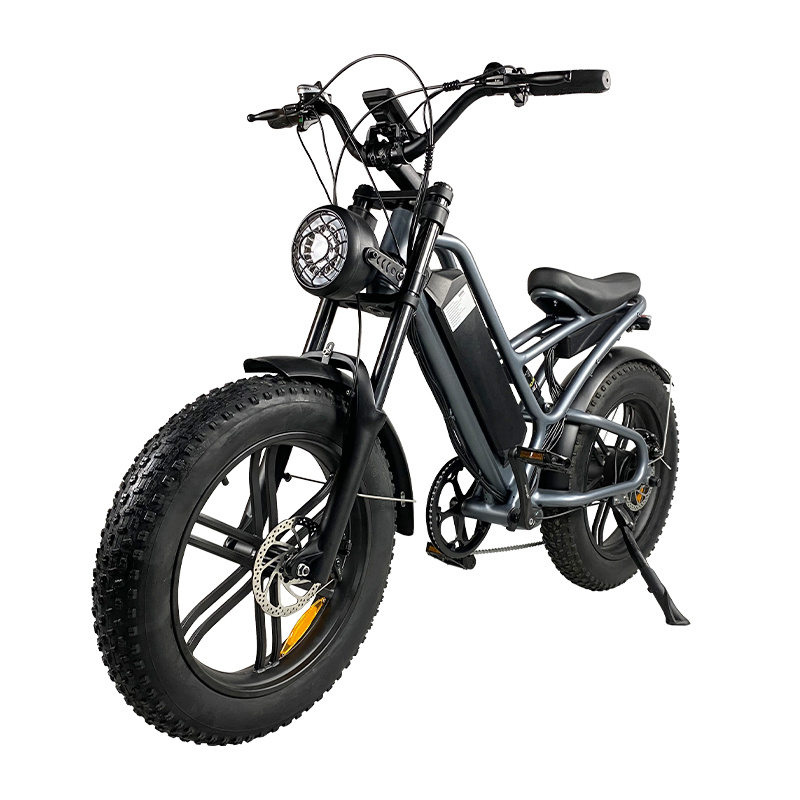
1. Power Source:
- Traditional Bicycles: Powered solely by human pedaling.
- Electric Bicycles: Combine human pedaling with electric motor assistance.
2. Pedaling Effort:
- Traditional Bicycles: Require consistent physical effort for propulsion.
- Electric Bicycles: Provide varying levels of electric assistance, reducing the effort required.
3. Range:
- Traditional Bicycles: Range limited by rider stamina.
- Electric Bicycles: Offer extended range due to electric propulsion.
4. Speed:
- Traditional Bicycles: Speed depends on rider's pedaling capacity.
- Electric Bicycles: Capable of higher speeds, often reaching 20-28 mph (32-45 km/h).
5. Hill Climbing:
- Traditional Bicycles: Require significant effort on steep inclines.
- Electric Bicycles: Climb hills with ease due to electric motor assistance.
6. Fitness Benefits:
- Traditional Bicycles: Offer a full-body workout and help improve fitness.
- Electric Bicycles: Provide exercise but with less physical exertion.
7. Environmental Impact:
- Traditional Bicycles: Zero emissions, environmentally friendly.
- Electric Bicycles: Low emissions, depending on electricity source.
8. Cost:
- Traditional Bicycles: Generally more affordable upfront and for maintenance.
- Electric Bicycles: Higher initial cost, but savings in fuel and public transport.
9. Commuting Efficiency:
- Traditional Bicycles: Ideal for short commutes in less hilly areas.
- Electric Bicycles: Suitable for longer commutes and hilly terrains.
10. Charging:
- Traditional Bicycles: No charging needed.
- Electric Bicycles: Require recharging, typically via a standard outlet.
11. Noise Level:
- Traditional Bicycles: Silent operation.
- Electric Bicycles: Quiet but have a low humming noise from the motor.
12. Maintenance:
- Traditional Bicycles: Simpler and less maintenance required.
- Electric Bicycles: More complex components may require occasional maintenance.
13. Storage Space:
- Traditional Bicycles: Compact and easy to store.
- Electric Bicycles: Slightly bulkier due to the motor and battery.
14. Weight:
- Traditional Bicycles: Lighter in weight.
- Electric Bicycles: Heavier due to the added motor and battery.
15. Eco-Friendly Commuting:
- Traditional Bicycles: A green mode of transportation, reducing carbon footprint.
- Electric Bicycles: Green but with electricity source considerations.
16. Assistance Levels:
- Traditional Bicycles: Solely human-powered, no assistance.
- Electric Bicycles: Offer various levels of electric assistance.
17. Health and Fitness Focus:
- Traditional Bicycles: Promote physical fitness and cardiovascular health.
- Electric Bicycles: Provide exercise but with a reduced fitness focus.
18. Suitability for Seniors:
- Traditional Bicycles: Challenging for seniors with limited physical strength.
- Electric Bicycles: More suitable for seniors due to assistance.
19. Convenience:
- Traditional Bicycles: Simple, straightforward operation.
- Electric Bicycles: Require occasional charging and more complex operation.
20. Adaptability:
- Traditional Bicycles: Traditional cycling skills are transferable worldwide.
- Electric Bicycles: Electric components may require adaptation to local regulations.
In conclusion, the choice between electric bicycles and traditional bicycles depends on individual preferences, commuting needs, and terrain considerations. Traditional bicycles offer excellent fitness benefits and a lower environmental impact, while electric bicycles provide convenience, assistance, and suitability for longer commutes or hilly areas. The decision ultimately depends on your lifestyle, health goals, and environmental priorities.
Keywords:Electric bicycles,e-bikes,bicycles
CONTACT
Email: joseph@spacecardan.cn
Fax:+86-0757-25639690
Add: Plant 27, Tianren Industrial Park, Leliuliandu Avenue, Shunde District, Foshan City
WeChat QR code
FEEDBACK
If you have any comments or suggestions, please leave us a message and look forward to cooperating with you.